When should we go to a children's podiatrist?
In order to be able to diagnose and treat different pathologies, a three-year review is necessary when your child has these symptoms:
- Limp
- Walk on tiptoe
- Walk with the feet facing inward
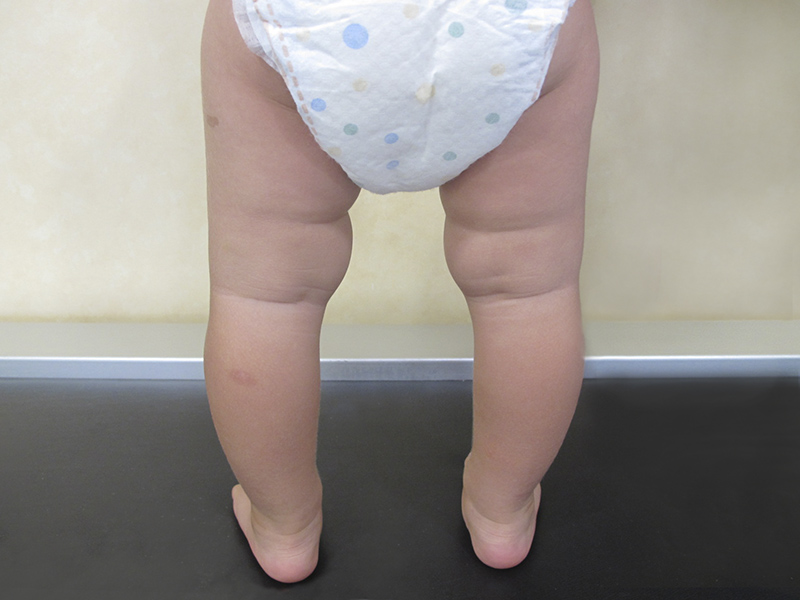
- Bowed legs or inward knees
- Pain in foot, knee or hip
- Fatigue in feet and legs
- Stumbles a lot
What are the most common alterations?
The most common deformities are: flatfeet, valgus feet, Severe's disease, coxa valga, coxa vara.
What protocol do we follow in Podomedic Centres?
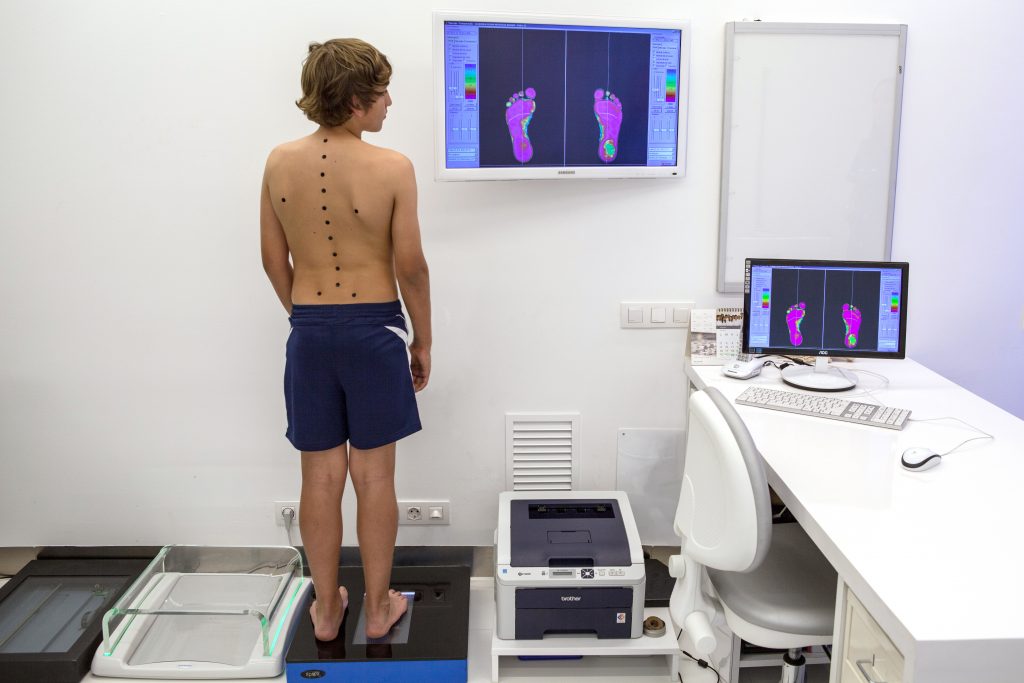
An anamnesis and examination of the child's foot, knee, hip and spine are systematically performed to decide on the specific treatment in each case.
It is essential to monitor the evolution of the alteration that the child presents in order to assess its progress and explain it graphically to parents through photographs.
If necessary, we also help children develop normally through specific techniques and treatments such as customary templates, digital ortheses, physiotherapeutic exercise, etc.
An issue of concern for parents is knowing whether or not their children need to wear orthopedic insoles. We must be aware that, at present, orthopedic insoles undoubtedly constitute a method that contributes to the treatment of the different pathological problems that occur during growth.
It is also important to bear in mind that sporting activity at this age is essential for the proper development of the child's anatomical structures.
Practical tips
When the baby begins to have its own mobility, small vices, especially stylistic ones, must be avoided. We must bear in mind:
- Because a baby's feet are very flexible, they should not be covered with heavy clothing as they restrict movement and can delay normal development.
- Don't put on shoes to the baby until starts walking, and the footwear don't have to tighten the toes.
- It is convenient that baby begins to crawl.
- It is important to avoid wrong foot positions.
- Do not force the child to walk, when his body is ready, he will start to take the first steps.
- In the choice of the first shoe, it is important to bear in mind that the shoe must be adapted to the foot rather than to the shoe.