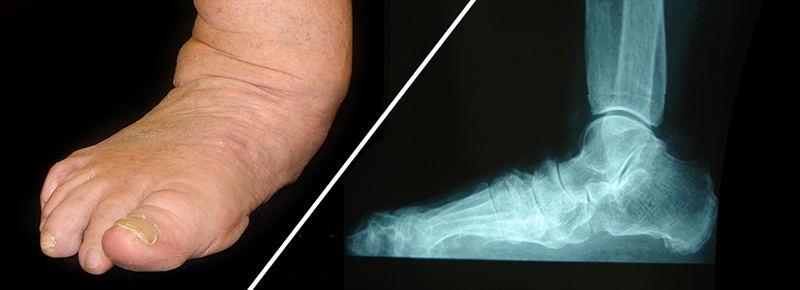
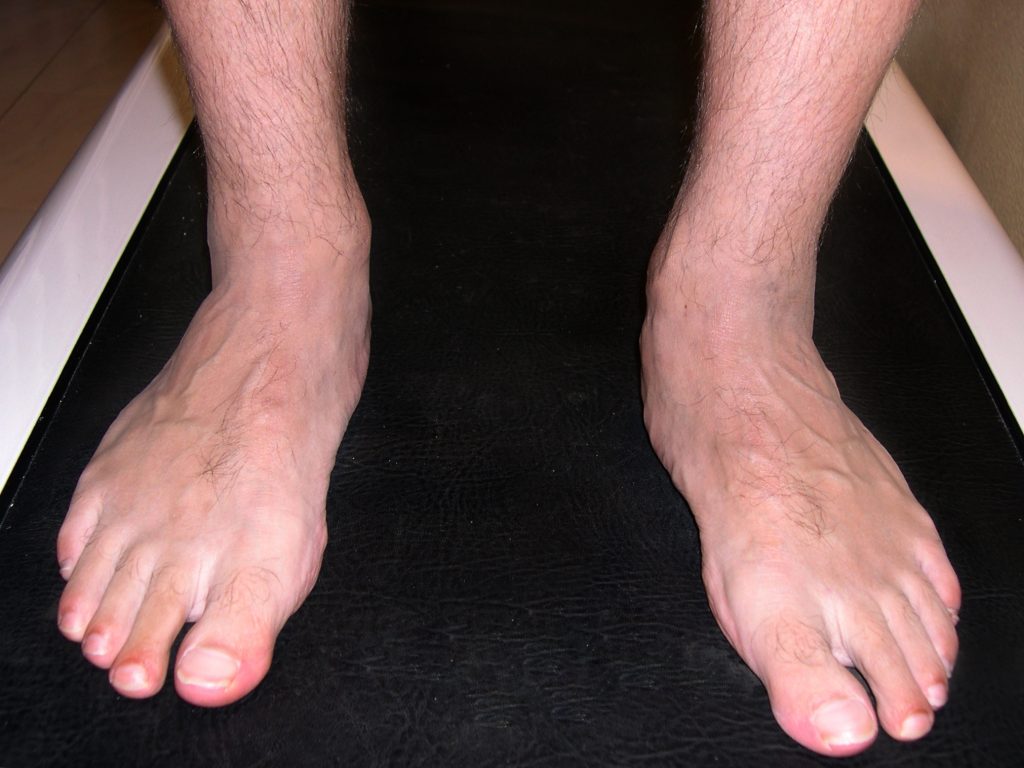
Flatfoot occurs when there is a descent of the plantar arch that causes the entire sole of the foot to touch the ground when the person is standing.
This is a normal condition in infants and young children since, during the first 2-3 years of life, the child's foot has a flatfoot appearance because the arch of the foot has not yet developed. Most people have normal arches as adults
There are basically two types of flatfoot: flexible flatfoot and rigid flatfoot.
Flexible flatfoot It is characterized by having a normal skeletal structure, but with a lot of flexibility in its joints. Therefore, when the child stands up and supports his weight, he arch of the foot sinks and the heel deviates outward.
This is the most common type of foot in children and is considered a normal situation during the first years of life. Most kids outgrow flexible flatfoot with no problem.
However, rigid flatfoot is characterized by abnormal junctions between foot bones.
The arch of the foot can also flatten over time. Years of wear and tear can weaken the tendon that runs along the inside of the ankle and helps support the arch.
Most people have no signs or symptoms associated with flatfoot. However, some experience pain, especially in the heel or arch area. Pain can be worse with activity. Swelling can also occur along the inside of the ankle.
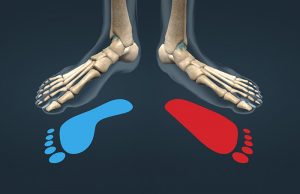
Untreated symptomatic flatfoot can become stiff and affect long-term gait mechanics.
First of all, we must check that it is a flexible flatfoot and rule out the rigid flatfoot.
To do this, we must carry out a complete musculoskeletal examination of the child.In adults we carry out a biomechanical study of gait as a diagnostic.
The main treatment is PREVENTION effecting routine check-ups from the age of three to detect any alteration in the foot or knees.
In general, flexible flat feet do not require treatment since, as we have said, they are undeveloped normal feet that will spontaneously evolve towards improvement.
For this, we advise stimulate the development of the muscles of the foot through exercises like Tiptoe or walk barefoot around the house.
In addition, it is important to avoid the use of rigid footwear because it does not allow a correct development of the foot.
On the other hand, cases of rigid flatfoot must be studied exhaustively to apply the most appropriate treatment in each case.
Regarding flatfoot acquired in adults, the orthopedic treatment is usually the best solution. It's based on correct the descent of the plantar arch and stabilize the gait using templates , which improve activation of the posterior tibial tendon, reduce foot pain for patients and improve their quality of life.
Exercises to enhance the formation of the plantar arch
- Lace: The patient should stand on tiptoe; the tibialis posterior muscle works.
- Walk feet out: The patient should walk with the outer edges of the feet to favor foot supination, strengthen the muscles of the outer compartment of the leg and that of the inner compartment.
- Lame leg: The patient must work on balance and proprioception to strengthen their ligaments and the intrinsic muscles of the foot.
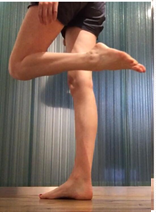
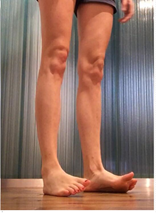
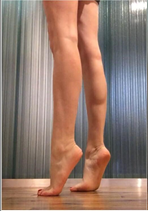
Other exercises:
– Pick up objects with the toes.
– Walk barefoot on tiptoe.
– Make circular movements with the tips of the feet.
– Walking heels.